• Skip to main content

Cut Lunch Adventures

TREK | LEARN | ENJOY

  • Adventure Resources
    • 1. Adventure Ideas
    • 2. Trek Preparation
    • 3. On Adventure
    • 4. Post-Adventure
    • Tools & Calculators
    • Insurance for Trekking and Mountaineering
      • Insurance for Trekking and Mountaineering
      • Insurance for Australians
      • Covid Insurance
    • Shop
    • Useful Links
  • Where To Go
    • Trek Finder Wizard
    • Himalayas
    • New Zealand
    • Australia
    • North America
    • South America
    • Europe
    • Asia
    • Middle East
  • Self Discovery
  • Fun
  • About
    • Our Story
    • How We Can Help You
    • Testimonials
    • Why Cut Lunch?
  • Contact
    • Contact Us

Adventure Travel

Australia: Uluru not just any rock

Published August 2018 by Trevor. Updated December 2019.

In this post:
  • Getting there
  • About Uluru
  • Insights

Uluru, also known as Ayers Rock, is more than just a rock!

"<yoastmark

Getting there

The nearest large town is Alice Springs, some 450km and 4 1/2 hours drive away. You can base yourself there and do a day trip there and back, either using your own transport or utilise a tour company and let them do the driving for you. We chose the latter as it was a more relaxed way to travel.

The other way is to incorporate the visit into your itinerary heading south. There are a few places you can stay, either within the park or just outside.

About Uluru

Uluru is a massive sandstone monolith in the heart of the Northern Territory’s arid ‘Red Centre’.  It is s acred to indigenous Australians, thought to have started forming around 550 million years ago.

Located within Uluru-Kata Tjuta National Park, you will also find the 36 red-rock domes of the Kata Tjuta (colloquially “The Olgas”) formation.

"<yoastmark

Approaching Uluru, the one thing that stands out, aside from it’s sheer size rising out of the ground, is its varied red colours.  More so at sunset. Walking around its circumference takes around 3 1/2 hours which is a must if you have the time. It is only then when you look up, that you can see the various rock formations and its sheer beauty.

"<yoastmark

Approximately 15 minutes away, are the 36 red-rock domes of the Kata Tjuta (“The Olgas”) formation – another beautiful area in its own right.

The Olgas
The Olgas

Uluru is a living cultural landscape. It’s considered sacred to the Yankunytjatjara and Pitjantjatjara people. The spirits of the ancestral beings continue to reside in these sacred places making the land a deeply important part of Aboriginal cultural identity.

Onwards and upwards!

Trevor

Insights

  • Elevation is 863m, and the circumference is 10km.
  • Uluru is the name in a local Aboriginal language (Arrente), and since the 1980s has been the officially preferred name.
"<yoastmark
  • Many people, especially non-Australians, still call it Ayers Rock.
  • It’s considered to be the world’s largest monolith. A monolith is a large, single block of stone.
  • This is also an Aboriginal sacred site and Australia’s most famous natural landmark.
The Olgas
Short walk to the base of the Olgas
  • The oxidized iron in the sandstone gives the rock its rusty-red colour.
  • Note: Climbing the sacred site has now been banned (since 26 October, 2019). Prior to this it was discouraged in order to respect the local culture. However many people still climbed the rock which can be dangerous to do. Since record-keeping began, there have been 37 fatalities. On the last day it was open there were queues of people waiting to climb for the last time.
Uluru
You can just make out people climbing the rock.

Colombia: Surviving Bogota

Published February 2018 by Trevor. Updated February 2021.

In this post:
  • Bogota City
  • History and surrounds
  • Insights

‘Let’s go to Bogota, Colombia’, I said. And with that, we were off. I must confess though, that some bad thoughts were going through my mind when I booked. Kidnappings, bombings, drugs and the Netflix movie ‘Narcos’. ‘Why not just holiday on a nice beach in some tropical paradise?’, I thought. Well, we needn’t have worried.

City Square Bogota
City Square Bogota

Back in the late 1990’s, some colleagues had travelled to Bogota for business at the height of Pablo Escobar’s reign and the Colombian drug cartels. They survived – so I thought it can’t be too bad. Can it?

View over Bogota city
View over Bogota city from the top of Monserrate

Bogota City

Arriving at Bogota’s main El Dorado Airport, being welcomed by smiling, non-zealous immigration officials and clearing customs in record time, we headed to our accommodation in the old part of the city, just off Bolivar Square.

Beautiful boutique hotel accommodation

There we encountered hoards of local university students and a well guarded Ministry of Defence building. In the event of any unfortunate event, at least we could call on well armed reinforcements.

Military Security
Military Security

Walking around the vicinity was very safe during the day. In the early evenings, we ventured out to the burbs for the night life and cafe scene.

Street art in Bogota

Of course there are elements of danger in the city, like there are in any big city around the world. However, Bogota is an incredible city, very vibrant and a culturally fascinating city. In our time there, we never experienced anything that would be classed as dangerous or scary.

Tank on display at the Military museum

I couldn’t recommend the country highly enough. The people are so inviting, so hospitable and so eager to rid the country of the stereotypes that they’ll really go out of their way to make sure you enjoy your stay. Even four star generals stop you in the street, smile and say ‘Buenos Dias’.

Fabulous building styles in Bogota
Fabulous Spanish building styles in Bogota

History and surrounds

One of the most appealing aspects of visiting Colombia was its history.

Gold Museum Bogota
Gold Museum, Bogota

Firstly, Bogota’s Gold Museum – which is the largest of its kind in South America. Then there is Pablo Escobar’s famous art collection which he collected over the years.

Art Museum Bogota
A Picasso painting in Pablo Escobar’s art museum.

There is a very unusual salt cathedral of Zipaquirá, an underground Roman Catholic church built within the tunnels of a salt mine 200 metres underground in a halite mountain near the town of Zipaquirá.

Salt Cathedral
Zipaquira Salt Cathedral

You can also take the cable car (funicular) to the top of Monserrate. Monserrate is a mountain that dominates the city centre of Bogota, rising to 3,152 metres (10,341 ft), with commanding views of Bogota and surrounds.

Funicular To Monserrat
Funicular To Monserrate

Beyond the food, there are incredible beaches (on both the Caribbean and Pacific Oceans), the ancient ruins of the Lost City, coffee farms, and the country is the second-most biodiverse country in the world, so you’re likely to see some incredible flora and fauna while you’re there.

Selling limes in Bogota

In a country troubled by its past, I can’t wait to return.

Onwards and upwards.

Trevor

Town Hall Bogota
Town Hall in Boliva square

Insights

  • Taking a taxi is safe and relatively cheap by Western standards, though make sure you book a radio taxi to play it safe, rather than flag one down off the street. 
  • Beware of the altitude. Bogota is situated at an altitude of 2,640 m (8,660 ft), so you may feel a tad disoriented with slight altitude sickness for a couple of days.
Cityscape Bogota
Cityscape
  • Word to the wise: Try the arepas — delicious corn cakes served at breakfast time.
Local cake shop
Plenty of good food and coffee in Bogota
  • Try the local coca tea or chew the leaves – good for altitude. Also, the coffee is pretty good too.
Colombian flag
Colombian flag
  • Avoid areas close to the borders of Ecuador and Venezuela.
  • Make sure you check out your local Foreign Affairs and Trade website or equivalent for the latest updated travel advice and for any warnings.
Llama in Bogota City Square

Cuba: Fancy a salsa

Published February 2018 by Trevor. Updated February 2021.

In this post:
  • Arrival
  • Reform
  • Colour
  • Music
  • Go Now
  • Insights

Arrival

Arriving in Havana, the first thing that hits you are the wrought iron doors behind the immigration counter. It’s like stepping back into the communist past era as they open and shut behind you. Welcome to Cuba, where the sun never sets and your salsa experience begins.

Havana city
Havana city

Reform

While reform of the economy is slowly taking place, many of the older generation are wondering how they will cope with change. Given that they have always been told what to do, in a socialistic sense – how to behave and what to eat.

Street cafe
Street cafe

Cubans fear their future is now uncertain, especially among the older generation. But change is happening – and will happen fast. 

Colourful buildings
Colourful buildings
More colourful buildings

Colour

The first thing that strikes you about Cuba is the colour. The pastel blues and fuchsia pinks of the old colonial buildings. The colourful, cigar-smoking street characters carrying songbird cages or selling home-made paper cones filled with peanuts. The classic American cars with their polished chrome bumpers, albeit fast disappearing in place of cheap imports from Korea and Japan.

1950's car
Lovely old 1950’s cars everywhere

Music

And, the music. It seems that around every street corner and in every town square there’s a band playing salsa, soul or some other derivative, a brightly-coloured bata drum being slapped or a guitar being plucked to create those Afro-Cuban vibes.

Street musicians
Street musicians

The rhythm just gets under your skin.

We were lucky to experience the Buena Vista Social Club. None of the band members were under 70 years of age, but boy did they have swing and rhythm to beat.

More street musicians
Music is everywhere!

Go Now

Travel experts are urging you to go now to Cuba before it changes. But visitors envisioning salsa in the streets and glamorous vintage cars should also be prepared to get by without ATMs, credit cards, limited and slow Wi-Fi, air-conditioning, seatbelts or toilet paper.

Onwards and upwards.

Trevor

National Capitol Building
National Capitol Building, Havana

Insights

  • You can fly to Cuba direct from Panama, Mexico or other Central American Countries. This is relatively easy and inexpensive.
  • You can also fly direct from Toronto, Canada.
  • Obtaining a visa is straight forward. You can apply at the airport before you board your plane, and receive a piece of paper (no stamp in your passport). This is especially relevant to American travellers on non organised tours.
Che Guevara Memorial
Che Guevara
Che Guevara
  • Accommodation options – Casas particulares are B&B-style private homestays that offer tourists an authentic experience and provide locals with much-needed income. You can also stay at hotels which are mostly 2-3 stars by western standards but extremely comfortable nevertheless.
ride in a 1950s car
Take a city tour in a 1950’s American car
Motorway scene
Havana motorway scene
  • At sunset, head along to El Malecón, the promenade and sea wall where locals and tourists congregate. Then stroll over to La Bodeguita del Medio for a mojito. The cocktails served at the iconic bar were good enough for former resident Ernest Hemingway.
Bar Bodeguita del Medio
Mojito cocktail
Home of the Mojito
  • Don’t forget to check out the The Hotel Nacional de Cuba. It’s a historic luxury hotel located on the Malecón. You can’t miss it as it stands on Taganana Hill a few metres from the sea, offering a view of Havana Harbour, the seawall and the city. You may even want to stay for a night.
Hotel Nacional de Cuba
  • Violent crime in Havana is rare. We never felt threatened – just hassled. However, be aware that pickpocketing and bag snatching are on the increase.
Cigar factory
Cigar factory in Vinales
  • Besides Havana, also check out Viñales and the Spanish colonial town such as Trinidad.
View overlooking Trinidad
  • If you plan to travel outside Havana, it’s best to hire a driver and a car. It’s relatively inexpensive.
Horse and cart
All forms of transport
  • Cigars – don’t forget to buy the best premium hand rolled!
Cigars
Plenty of opportunities to buy the best cigars in the world
  • Weather wise, January and February are the best months to visit.
  • If you must go online in Havana, hotels sell internet cards for lobby WiFi. Be prepared to pay around US$4-US$5, per 30 minutes.
Bike street scene
Cuba by bike
  • Carry plenty of cash (USD) as credit cards aren’t widely accepted. Bring cash to change into convertible pesos, also known as CUCs (not CUPs, the currency used by locals). On paper, one USD is worth one CUC. The Cuban government currently takes a 13 per cent fee, so you get 87 cents for your dollar. Privately, Cubans may offer 90 cents or more in the dollar but be careful who you trust.
Havana building
Havana buildings
  • For more reading and insights into Cuba and other countries see our post on Adventure Travel books
Cuban number plate
Cuban number plate

USA: Bike the Golden Gate Bridge

Published August 2017 by Emma. Updated April 2021.

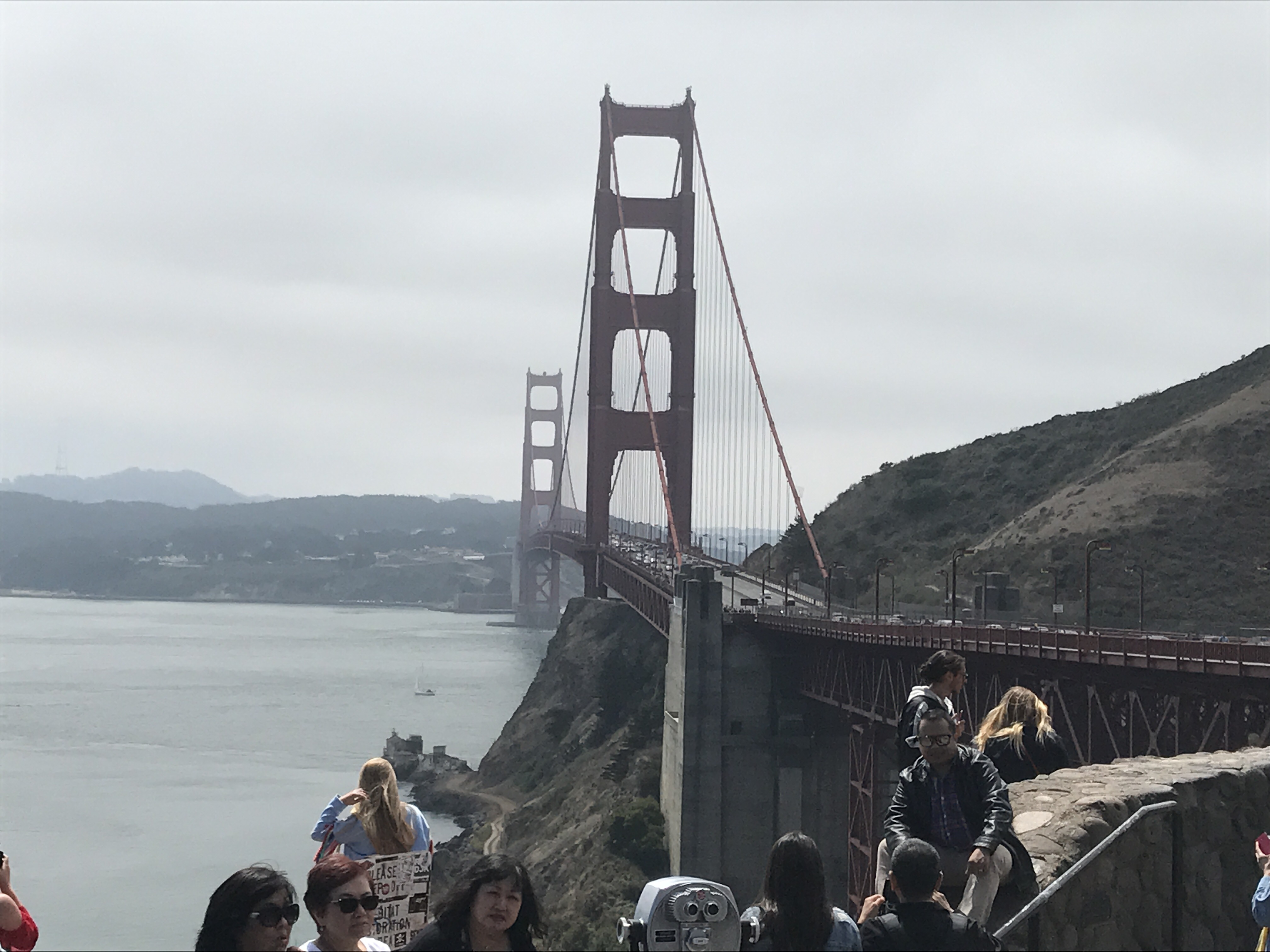
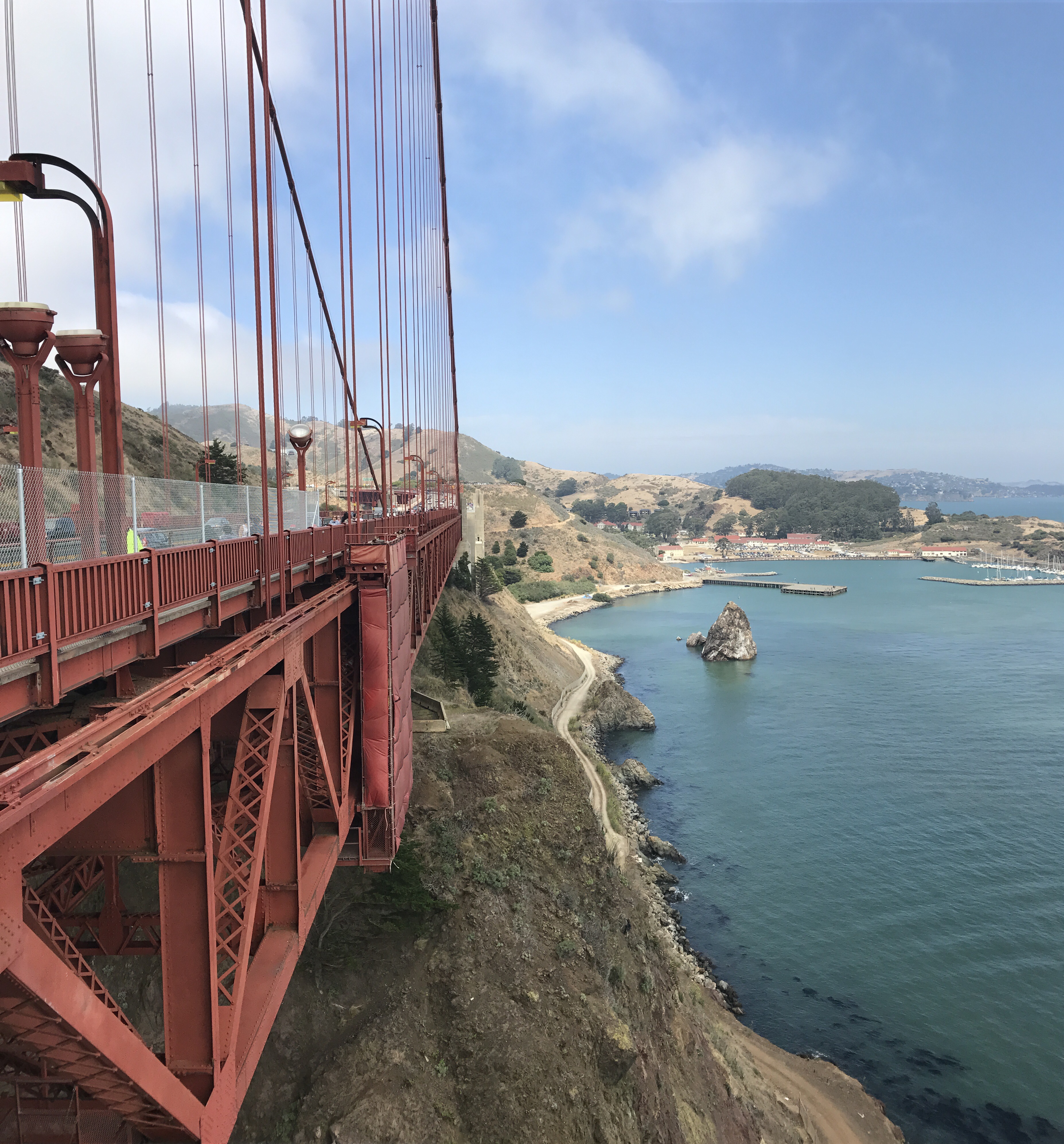
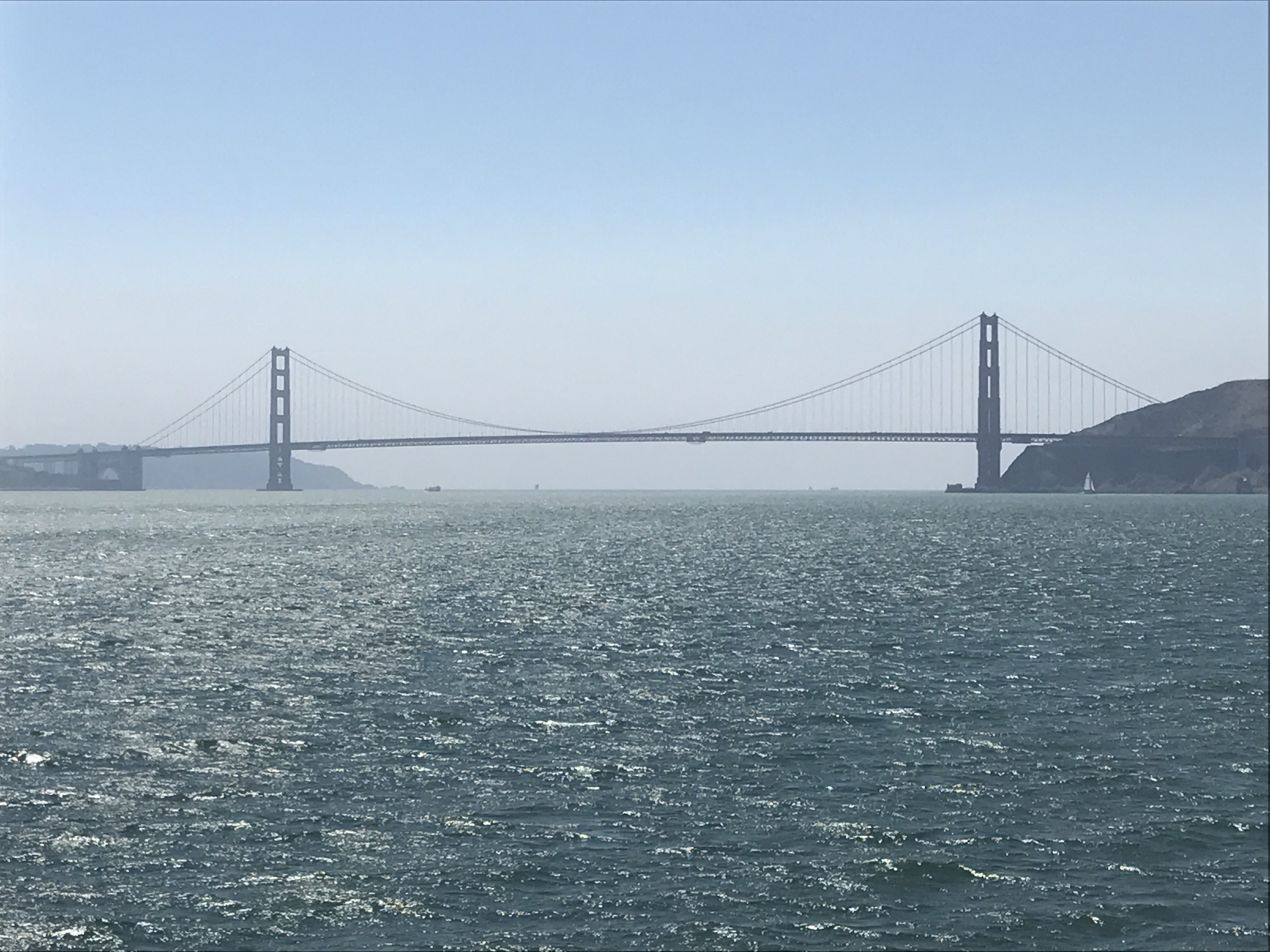
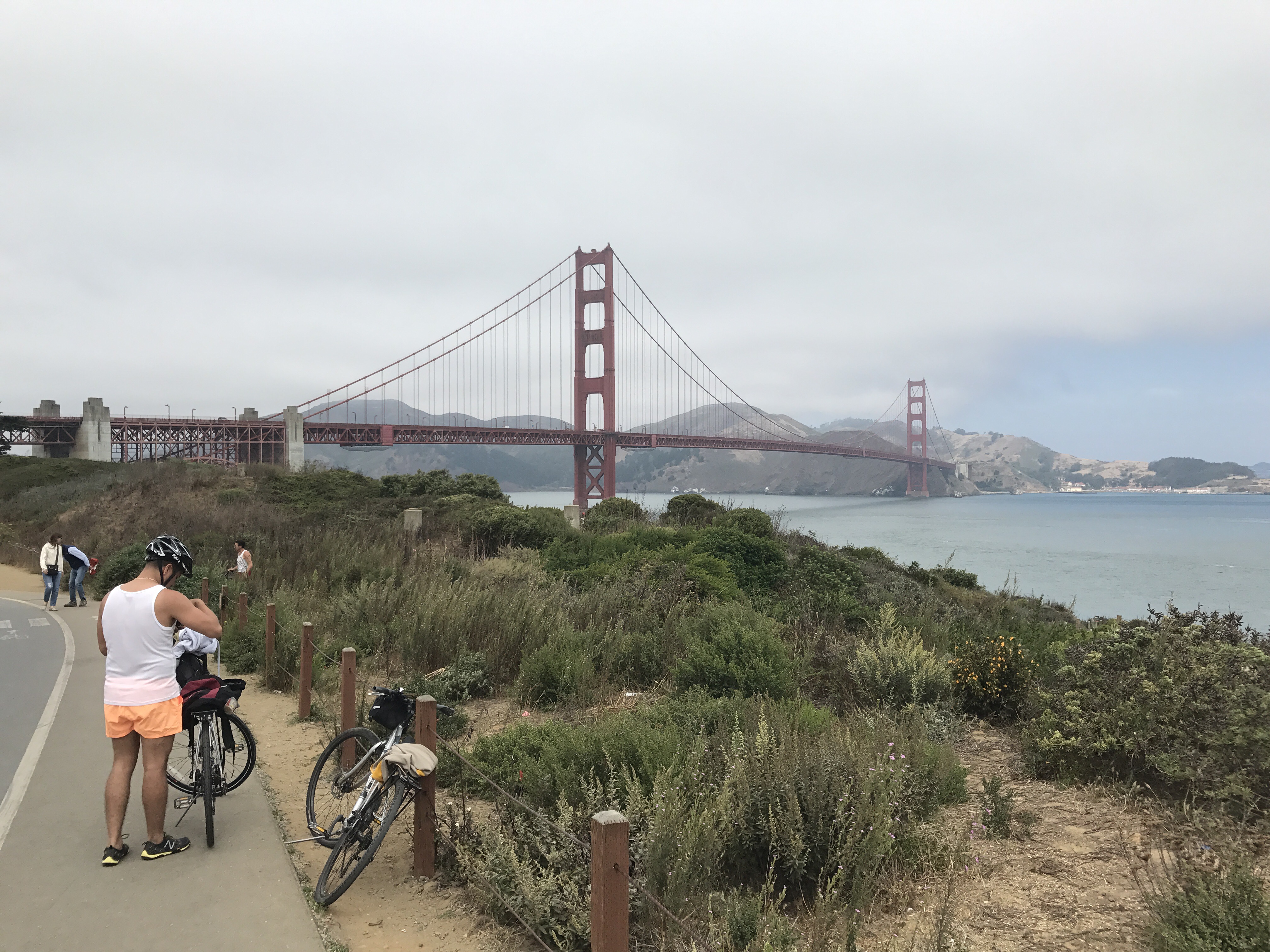
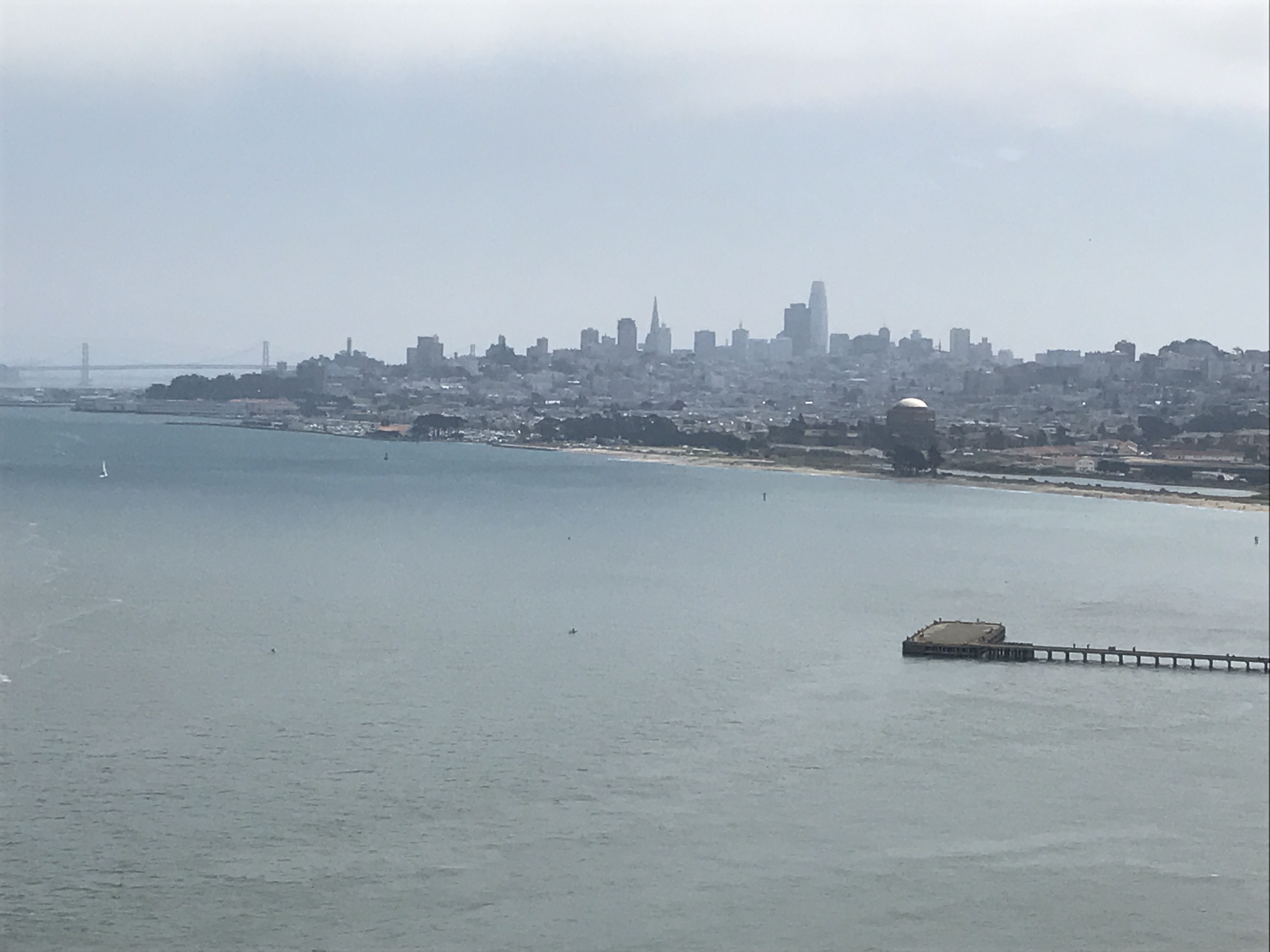
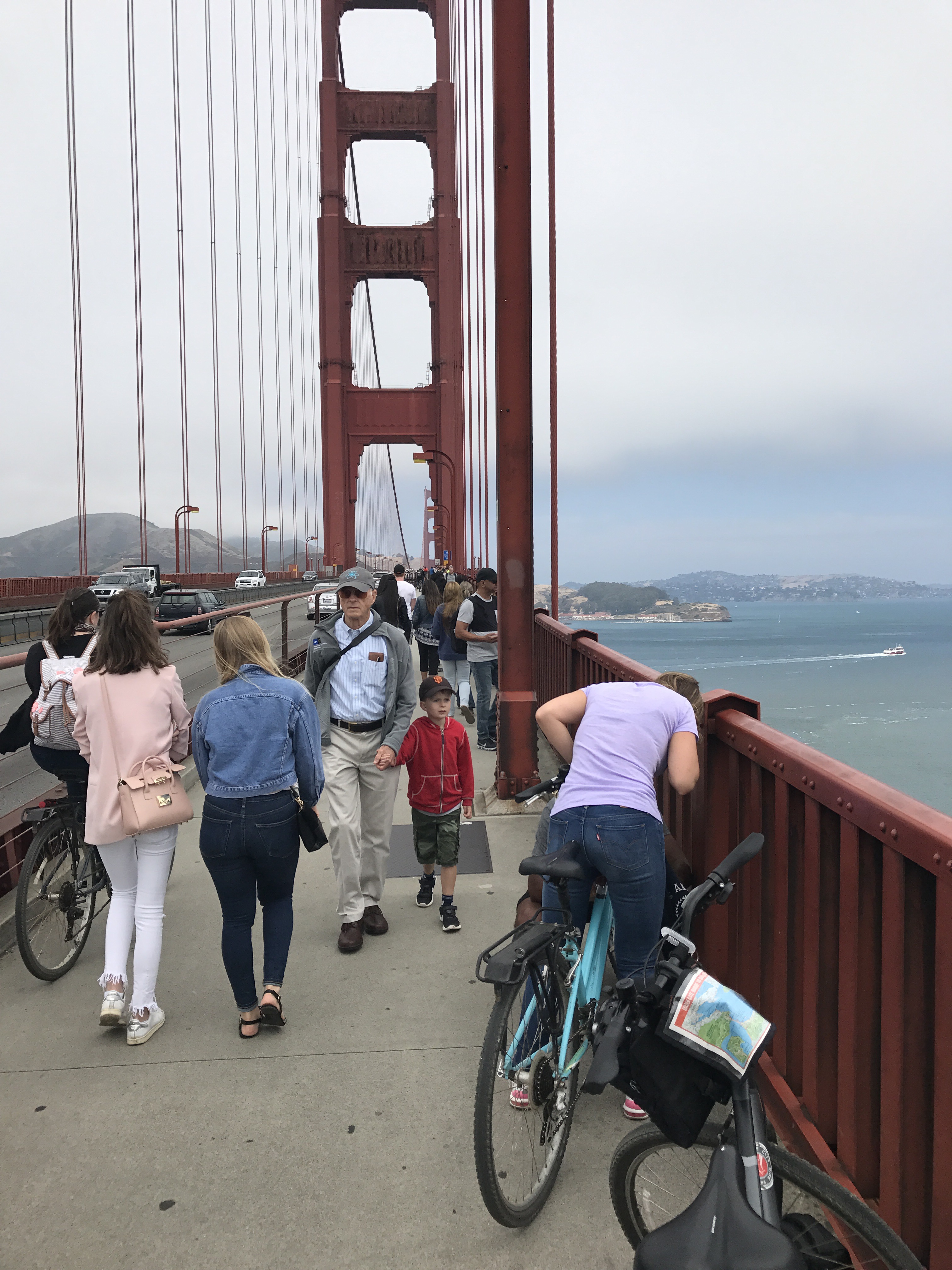
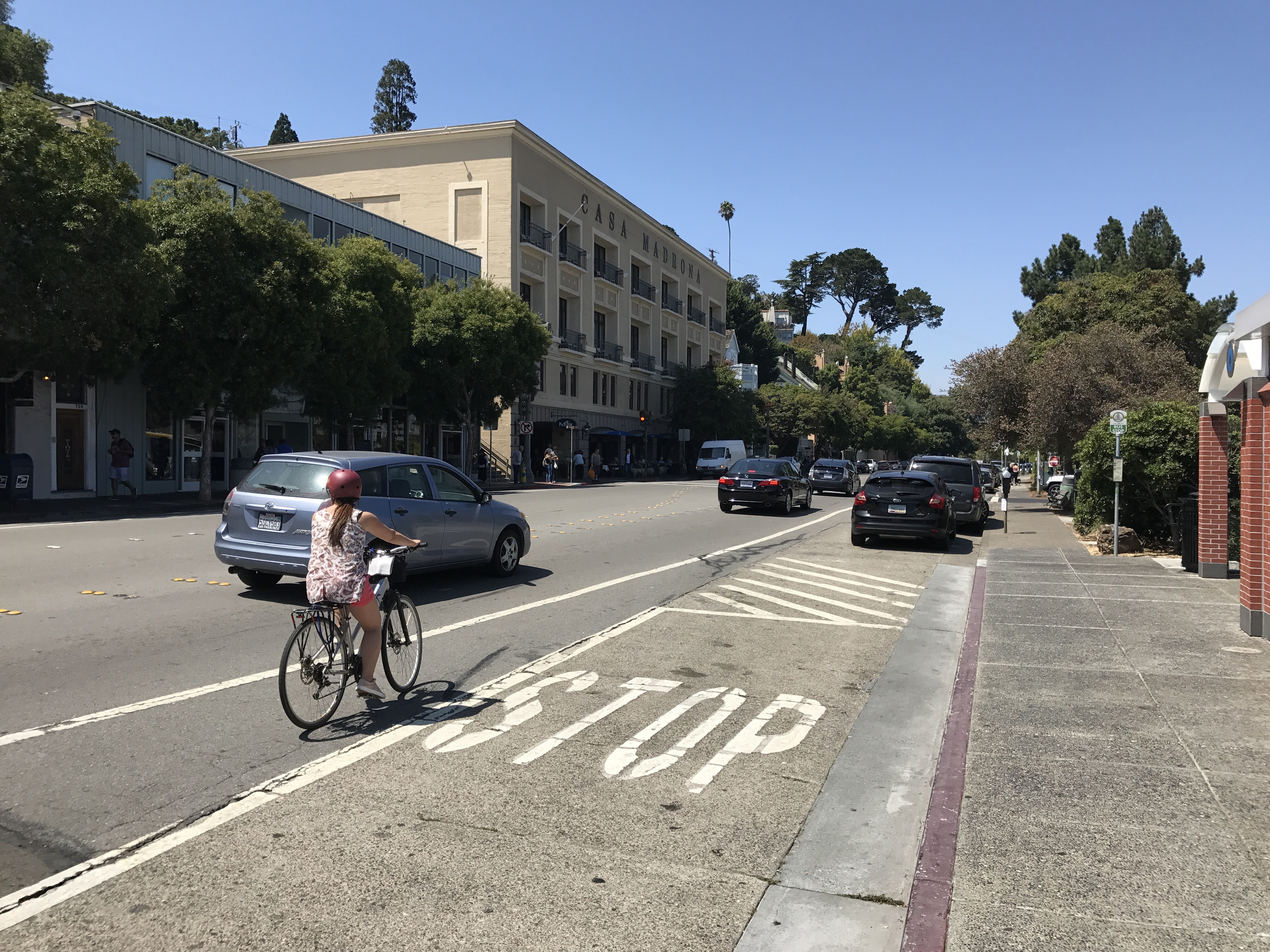
Try a biking adventure in San Francisco – bike the Golden Gate Bridge. There are plenty of bike hire outlets around the waterfront at reasonable prices. You can do a round trip by bike, or bike to Sausalito then take the ferry back. It makes for a great day out plus gets you out of the city for a different perspective of the bay.

View towards Sausalito

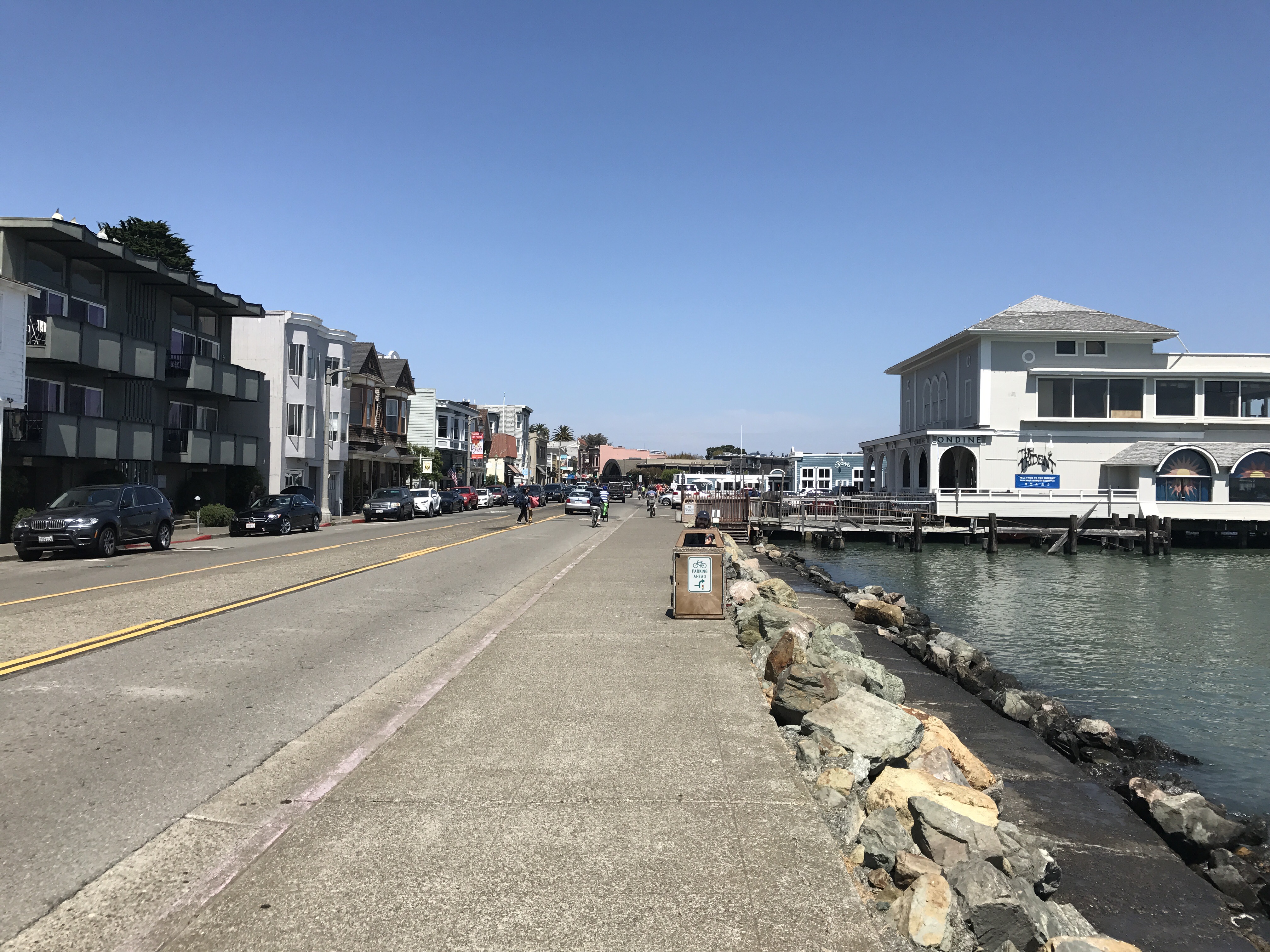
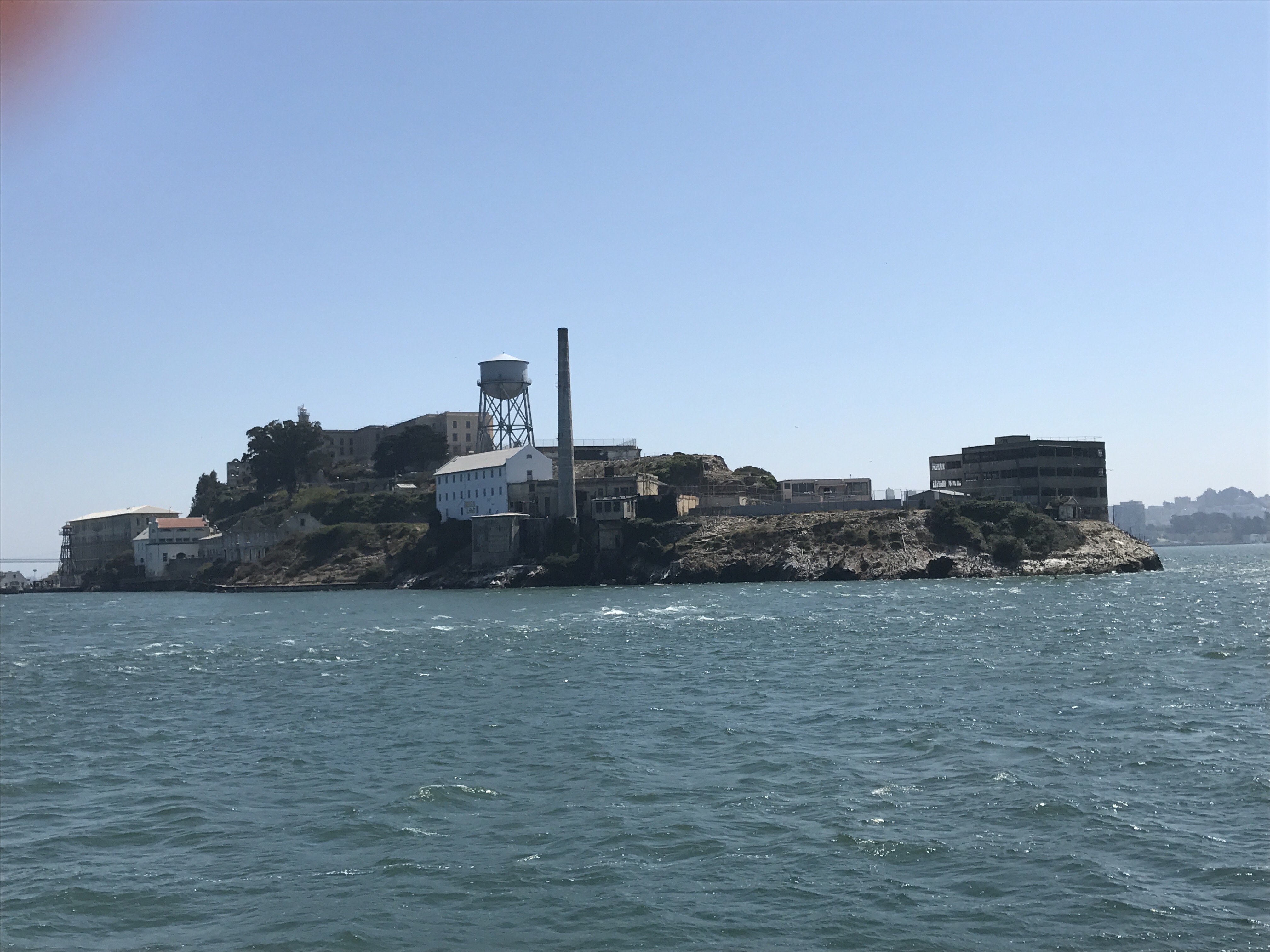
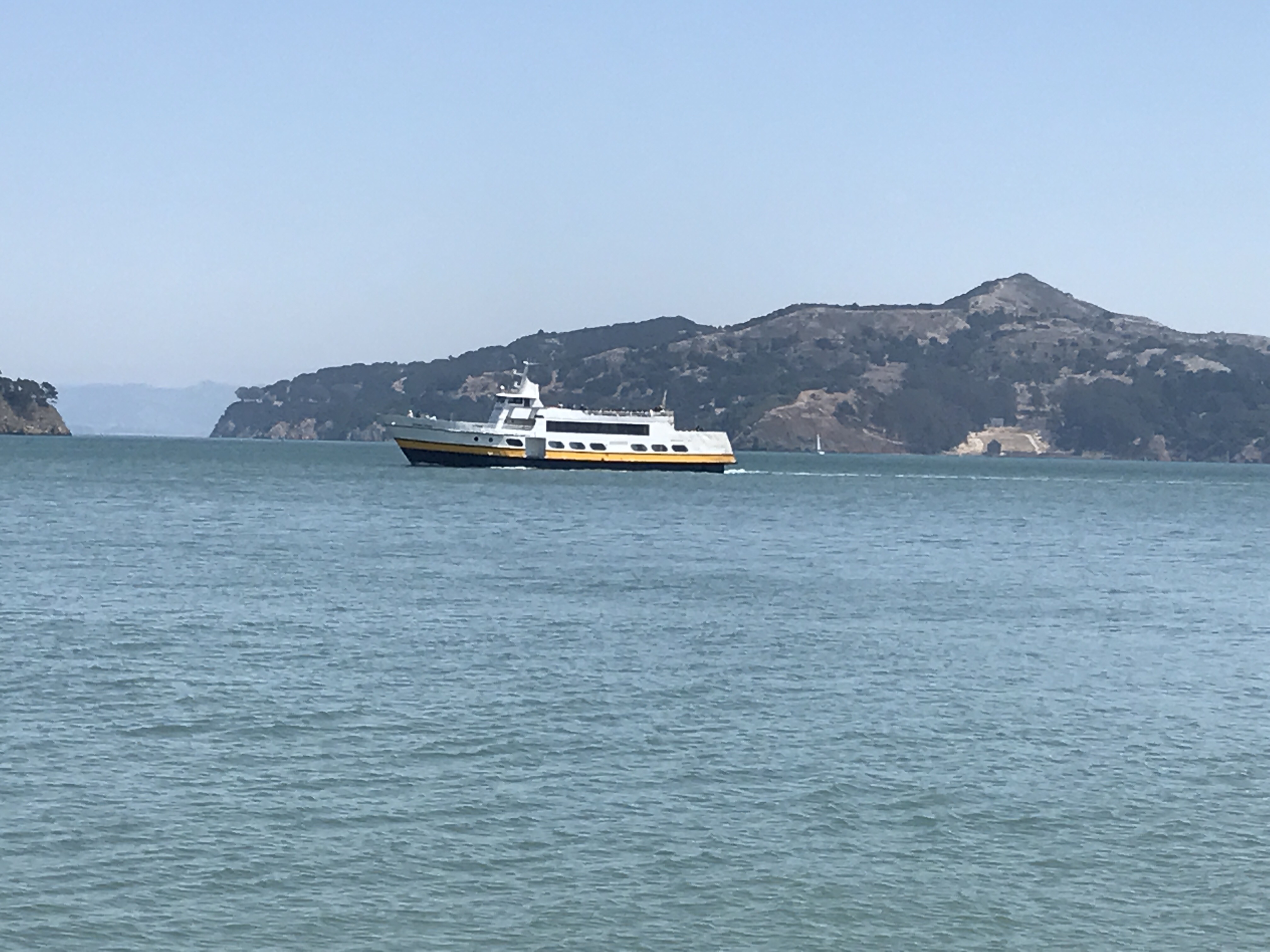
From Fisherman’s wharf, make your way towards the Golden Gate Bridge. There are some great photo opportunities of the bridge as you approach it. Cross the bridge to the arty village of Sausalito. There are plenty of shops and cafes to explore there. We chose to go back to the city by ferry, passing Alcatraz on the way. Spectacular views of the bridge and out to the Pacific Ocean and beyond.

"<yoastmark
"<yoastmark
"<yoastmark

It’s about 1.5 hours easy cycling (only a couple of short hill climbs) by the time you stop for photos, and the trail is mostly bike paths. The circuit is 2-4 hours round trip. Ferries run every 45 minutes.

High up at the centre of the Golden Gate Bridge

Take a good wind breaker jacket and wear plenty of sunscreen to make your bike ride over the Golden Gate Bridge comfortable.

arriving in Sausalito
Arriving in Sausalito
Sausalito
Sausalito

16 Movies to Watch for Adventure Travellers

Published May 2017 by Emma. Updated December 2025.

Put yourself in someone else’s hiking boots and settle in for some prime time Adventure Films:

  • Everest (2015) – biographical film on the events of the 1996 Mt Everest disaster
  • Beyond the Edge (2013) – NZ docudrama about Tenzing Norgay and Sir Edmund Hillary’s historic ascent of Mt Everest in 1953
  • Touching the Void (2003) – docudrama about Joe Simpson and Simon Yates’ climb of Siula Grande in the Peruvian Andes
  • The Summit (2008) – a film about the 2008 K2 disaster
  • Meru (2015) – attempting the impossible climb – the Shark’s Fin on Mt Meru in Northern India
  • Seven Years in Tibet (1997) – the story of Austrian mountaineer, Heinrich Harrer – his experiences in Tibet between 1944 and 1952, and becoming a close friend of the Dalai Lama
  • The Way (2010) – a story of adventure and purpose on the Camino de Santiago
  • Valley Uprising (2014) – a documentary on the history and crazy life and times of rock climbers in Yosemite National Park
  • The Dawn Wall (2018) – legendary free climber Tommy Caldwell tries to get over heartbreak by scaling 3000ft of an impossible rock face
  • Free Solo (2018) – follow Alex Honnold as he becomes the first person to ever free solo climb Yosemite’s 3000ft high El Capitan Wall.
  • Mountain (2017) – An exploration of our obsessions with high places and how they have come to capture our imagination.
  • Cerro Torre (2013) – David Lama and Peter Ortner set out to free climb a route once thought to be the most difficult in the world.
  • Pasang: In the Shadow of Everest (2022) – chronicles Pasang Lhamu Sherpa’s tragic and inspiring journey to become the first Nepali woman to summit Everest in 1993.
  • K2: Siren of the Himalayas (2014) – an attempt to reach the summit of the world’s most challenging peak on the 100-year anniversary of the Duke of Abruzzi’s landmark K2 expedition.
  • Dhaulagiri (2022) – An Ecuadorian mountaineer balances friendship, love, and luck in his quest to climb a new route on one of the tallest and most dangerous mountains in the world.
  • Broad Peak (2022) – After climbing Broad Peak mountain, Maciej Berbeka learns his journey to the summit is incomplete. 25 years later, he sets out to finish what he started.

Adventure Films on YouTube and Vimeo

  • there’s always YouTube or Vimeo where you can search for the next hike/trek/expedition/adventure you’re about to embark on to see exactly what you’re in for.
  • checkout our Project Base8000 YouTube Channel for our videos and playlists
  • or in Vimeo
    • Roots Rock Arapiles for a short film on rock climbing history in the Arapiles area, Australia
    • Khumbu Climbing Centre Documentary
  • see the documentary by Michael Dillon on Tim Macartney-Snape’s expedition – Everest: From Sea to Summit

Adventure Film Festivals and Events

You might also be interested in local or online events including adventure film festivals listed on our Events page.

  • « Go to Previous Page
  • Page 1
  • Page 2
  • Page 3
  • Go to Next Page »
  • Terms of Use
  • Privacy Policy
  • Disclosure

© 2026 · Cut Lunch Adventures